Starbucks DASANI Water – Price, Calories & Full Review
$2.25 – 0 Calories
Starbucks DASANI Water is the bottled water offered at Starbucks locations across the United States. This quick guide breaks down the price, calories, nutrition facts and ordering tips so you know exactly what to expect before you reach the counter. While Starbucks is a best‑known trademark on Earth and its Ethos emphasizes sustainability, the inclusion of a water brand like Dasani often feels like a big deal for a coffee chain.
Starbucks DASANI Water Quick Facts
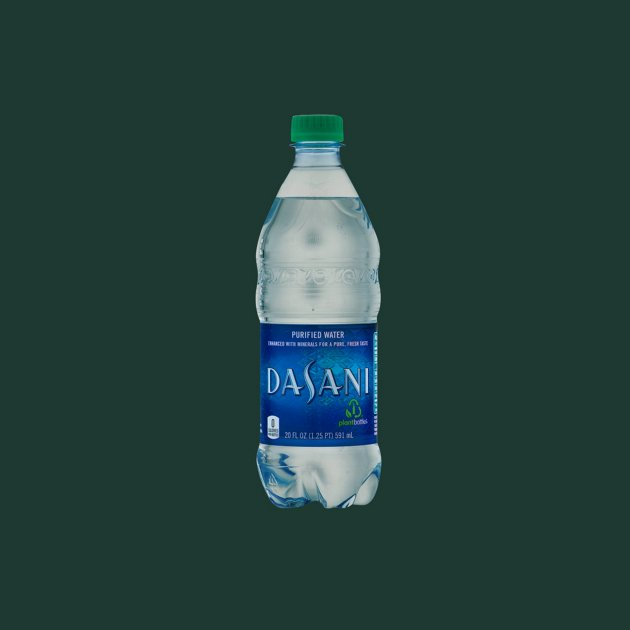
The bottled water sold in Starbucks stores is the well‑known DASANI brand, available in 16‑oz and 20‑oz options. A standard 16‑oz bottle costs around $2.25, while the larger 20‑oz bottle is priced near $2.75; prices can vary by location. Each bottle is calorie‑free and contains no caffeine. DASANI water is simply purified tap water with a mild, neutral taste, making it a convenient, hydrating choice for any Starbucks visit.
What Is the Starbucks DASANI Water?
Starbucks DASANI Water is the bottled water sold at Starbucks locations across the United States. It is a result of a brand partnership between Starbucks and the bottled‑water company that supplies Dasani, allowing the coffee chain to offer clean drinking water alongside its coffee menu. The product is sourced from a bottling plant in Southern‑California and distributed nationwide, from California to Pennsylvania.
Founded in 1999 by John Kelly, Dasani is owned by The Coca‑Cola Company. In 2020, Starbucks acquired a stake in the company, a move that was both a business deal and an environmentally driven effort. This collaboration helped the once‑unprofitable brand enter the big leagues, while Starbucks gained a feel‑good story about supporting clean water initiatives. Ethan’s founder, Jonathan Greenblatt, has spoken publicly about the partnership’s impact on communities.
The water itself is essentially repackaged tap water, but Starbucks promotes it as a convenient way for customers to stay hydrated while on the go. The bottles are single‑use plastic, yet Starbucks encourages the use of reusable cups to avoid bottles altogether and reduce the environmental impact of an increasingly scarce resource. By offering a free‑of‑charge option for customers who order a beverage, the brand supports the Ethos Water Fund, which directs a portion of sales to clean‑water projects in communities facing exceptional drought.
Ethos Water, another Starbucks‑linked water brand, shares a similar ethos of funding charity projects that improve water access in drought‑stricken areas such as Merced County. This aligns with Starbucks’ broader global responsibility and public policy goals, reinforcing its image as a socially conscious coffee chain.
While the bottles are sold in 16‑oz. and 20‑oz. sizes, the company typically sells them in a 16‑oz. plastic bottle. The California’s Department of Water Resources has highlighted the brand’s efforts to source water responsibly. Starbucks’ partnership has avoided controversy over water sourcing, helping locals facing dwindling supplies feel supported.
In addition, the partnership’s investment in the International Bottled Water Association’s Investigative Fund has helped improve water quality monitoring. The story while often simplified as a marketing angle, actually involves careful coordination with regional water authorities.
For a visual reference to the partnership, see the photo archive at Bocman1.
Starbucks DASANI Water Price (All Sizes)
At Starbucks, the DASANI bottle is sold in a standard 12.5‑ounce (0.375 L) size. Most locations list the price between $2.00 and $2.25 for this size, though the exact amount can vary slightly depending on the store’s regional pricing.
When looking at the cost of Starbucks DASANI Water, keep in mind the following common price determinants:
- Store location – Urban and high‑traffic venues often charge the higher end of the range.
- Licensing and franchise agreements – Some licensed Starbucks locations may set prices a few cents above corporate‑owned stores.
- Promotions or combo offers – Bundling water with a pastry or coffee can shift the final price upward or offer a discount.
- Regional cost of goods – Variations in local operating costs can cause minor price differences from one city to another.
What Affects the Price?
Starbucks adjusts the bottled water price primarily based on location and licensing agreements. Stores in major metropolitan areas typically list the higher end of the $2.00–$2.25 range, while regional or smaller outlets may offer the lower end. Additionally, any ongoing promotions or bundle deals can alter the final cost. The bottle size itself is fixed at 12.5 oz, so no size variations exist for this product.
Starbucks DASANI Water Calories by Size
The bottled water offered at Starbucks contains no calories, regardless of the size you choose. Each serving also has zero grams of sugar, making it a completely calorie‑free hydration option.
| Size | Calories | Sugar (g) |
|---|---|---|
| Tall (12 oz) | 0 | 0 |
| Grande (16 oz) | 0 | 0 |
| Venti (20 oz) | 0 | 0 |
Starbucks DASANI Water Nutrition Facts (Grande)
The Grande bottle of Starbucks DASANI Water offers a clean, calorie‑free hydration experience. Its nutrition profile is straightforward: 0 calories, 0 grams of total fat, 0 grams of carbohydrates, and 0 grams of protein. Sodium remains minimal at 5 milligrams, while potassium is not listed, and there are no added sugars, vitamins, or artificial ingredients.
| Nutrient | Amount per Grande Bottle |
|---|---|
| Calories | 0 |
| Total Fat | 0 g |
| Carbohydrates | 0 g |
| Protein | 0 g |
| Sodium | 5 mg |
Because Starbucks DASANI Water is simply bottled water with no added flavorings or sweeteners, it delivers the same hydration benefits as any standard bottled water. Its minimal nutritional footprint makes it an ideal companion for calorie‑conscious choices or for those who prefer pure hydration without extra components.
Starbucks DASANI Water Caffeine Content
The Starbucks DASANI Water contains zero caffeine, regardless of whether you choose a Short, Tall, Grande, or Venti bottle. This makes it a completely caffeine‑free option for anyone looking to stay hydrated without any stimulant effects.
Starbucks DASANI Water Ingredients
- Water (purified)
- Carbon dioxide (for carbonation, where applicable)
- Potassium (to balance mineral content)
- Calcium (natural mineral)
- Sodium (trace mineral)
- Magnesium (trace mineral)
Allergen Information
The Starbucks DASANI Water itself contains no major allergens. It is simply purified water with a hint of added minerals, so there are no ingredients such as milk, soy, nuts, gluten or egg present.
Because the bottles are handled in the same retail environment as other Starbucks beverages, there is a minimal risk of cross‑contamination. If you have a severe allergy, you may want to check the label for any warning statements about shared equipment.
For those who are extremely sensitive, the best practice is to ask the barista whether the bottled water was stored near any allergen‑containing products. This simple step can help ensure a safe experience.
Flavor Profile and Taste Review
Starbucks DASANI Water offers a crisp, neutral flavor that lets you focus on the coffee experience rather than a strong water taste. The bottle’s clear, mineral‑rich profile delivers a clean mouthfeel with subtle hints of soft earth tones, while maintaining the smooth, unobtrusive quality expected from a premium bottled water. Overall, it provides a refreshing, unobtrusive backdrop that pairs well with any coffee or tea drink.
Is the Starbucks DASANI Water Worth It?
When you compare the cost of a bottle of Starbucks DASANI Water to the price of a typical coffee or Frappuccino, the difference can feel extremely high. While the water is filtered through reverse osmosis, giving it a crisp taste, many shoppers find the quick sip option less compelling than a Cinnamon Dolce Latte or one of the mint teas on the menu. If you’re at an airport terminal, shopping mall, or university campus, the convenience of a bottle may outweigh the price, especially when free water isn’t readily available. However, for those who can grab a bottle at a grocery store or Target, the value diminishes.
How to Spot a Licensed Starbucks
Identifying a licensed Starbucks location is key to knowing if the water is truly a Starbucks product. The biggest giveaway is the presence of official company terms and branding on signage and marketing materials. Licensed stores are often located inside shopping malls or airport terminals, while privately owned outlets may operate outside these venues. Look for the Starbucks logo alongside the Dasani label; this combination usually appears on the cup or bottle. If you’re in a grocery store or a university campus kiosk, simply spotting the logo will help you quickly decipher whether the water is the sought‑after drink sold by a licensed store.
When you see a photo credited to Martinrlee Getty Images, it often declares they’re showcasing a store’s location rather than the product itself, giving you free rein to decide if the brand’s presence matters. Because many popular drinks like the Cinnamon Dolce Latte are sold at the same venues, there is a high chance you’ll immediately recognize the difference between a Starbucks‑operated site and an otherwise inaccessible ground operated by a different company.
Starbucks DASANI Water vs Similar Starbucks Drinks
The only other bottled beverage that closely resembles the Starbucks DASANI Water is the standard Starbucks Water, which is typically sold as a clear, still bottle at the same price point. Both options contain zero calories and no caffeine, making them interchangeable for those seeking hydration without additives.
Other Starbucks drinks, such as the Hot Water or the Sparkling Water, differ significantly. Hot Water is a warm, plain beverage that offers comfort but still has no calories. Sparkling Water, while still calorie‑free, adds carbonation and often comes in flavored varieties like Lemon or Peach, which introduce subtle fruit essences.
When comparing cost, all of these bottled options range from roughly $3.50 to $4.00 depending on the store, with occasional promotions or bulk purchases offering a slight discount. The key distinctions are:
- Starbucks DASANI Water: Still, clear, 1‑liter bottle, 0 calories, 0 caffeine.
- Starbucks Water: Identical to DASANI in composition and price.
- Hot Water: Warm, 0 calories, 0 caffeine, no bottle.
- Sparkling Water: Carbonated, 0 calories, available in several fruit flavors, 0 caffeine.
Choosing between them depends on your preference for carbonation and flavor, but nutritionally and price-wise, the DASANI Water remains the most straightforward, calorie‑free hydration option within the Starbucks lineup.
How to Order the Starbucks DASANI Water at Starbucks
When you step up to the register, simply ask for a bottle of Starbucks DASANI Water. Baristas will confirm the size—typically a 16‑ounce bottle for the Grande option. If you prefer a smaller or larger bottle, let them know your desired size and they’ll retrieve the correct product.
Most locations accept cash, credit, debit, the Starbucks app, or gift cards, so choose the payment method that works best for you. After confirming the price, the barista will hand you the bottled water and a receipt if requested.
Popular Customizations
- Add a splash of lemon or lime for a subtle citrus boost.
- Ask for a reusable cup to reduce waste and receive a discount where offered.
- Combine with a flavored syrup packet (such as vanilla or raspberry) for a light, infused taste.
- Request a chilled bottle if the store has a refrigeration station.
Is the Starbucks DASANI Water Healthy?
Starbucks DASANI Water offers a simple, calorie‑free hydration option that can fit into a balanced diet. The bottle contains no sugar, caffeine, or added flavors, so it lacks the common contributors to excess calories found in many drinks. However, its nutritional profile is essentially zero‑calorie, with no vitamins or minerals beyond the natural trace elements in purified water.
Because it is a bottled product, the water is packaged in a single-use plastic bottle, which may raise environmental concerns for those prioritizing sustainability. Still, the bottle is recyclable in most U.S. jurisdictions, and Starbucks includes a small label encouraging proper recycling.
Overall, for individuals looking for a straightforward, zero‑calorie drink, Starbucks DASANI Water can be a healthy choice, especially when compared to sugared sodas or energy drinks. Its primary drawback is the lack of nutritional value beyond hydration and the environmental impact of single‑use packaging.
Best Food Pairings with Starbucks DASANI Water
Because Starbucks DASANI Water is calorie‑free and refreshingly crisp, it works as a neutral backdrop for a wide range of bites. Pair it with savory items to let flavors shine, or with sweet treats when you want a palate cleanser.
- Breakfast sandwiches – The mild taste of the water balances the richness of egg, cheese, and bacon without adding extra calories.
- Fresh fruit bowls – Juicy berries or melon pairs nicely, letting the natural sweetness stand out.
- Bagels with cream cheese – A simple, buttery bagel feels lighter when accompanied by pure water.
- Protein‑rich wraps – Chicken or turkey wraps benefit from the clean sip that doesn’t compete with herbs and sauces.
- Pastries and muffins – A splash of water refreshes the palate between bites of buttery croissants or blueberry muffins.
- Salads – Whether it’s a classic Caesar or a kale‑quinoa mix, the water enhances the dressing’s flavor without interference.
How to Make Starbucks DASANI Water at Home
While you can’t replicate the exact packaging and branding of the store‑sold bottle, you can enjoy a similarly clean, refreshing drink right in your kitchen. Simply fill a high‑quality glass bottle or reusable water container with filtered tap water or a reputable bottled brand like Dasani. Store the water in a cool, dark place or refrigerate it for a chilled experience. If you want a touch of the Starbucks feel, add a subtle hint of lemon zest or a splash of natural fruit juice—just a few drops—to mimic the crisp, unobtrusive flavor that customers love.
Pour the water into a clear glass to highlight its purity, and serve with a reusable straw or a reusable cup to stay consistent with Starbucks’ sustainability values.
How to Save Money on Starbucks DASANI Water
Buying bottled water at a coffee shop can add up quickly, but a few simple habits keep costs low. Below are practical ways to enjoy Starbucks DASANI Water without overspending.
- Take advantage of the free refill policy: many locations will refill your reusable bottle for free when you present a loyalty card.
- Join the Starbucks Rewards program; members often receive discounts or occasional freebies on bottled beverages.
- Purchase a multi‑pack of Dasani bottles from a grocery store and bring your own to the store for a free refill instead of buying a single bottle.
- Watch for promotional days or “Buy One, Get One” offers advertised in the app or in‑store signage.
- Use the Starbucks app to apply any available coupons or seasonal promotions directly to your order.
Frequently Asked Questions
What is the price of a Grande Starbucks DASANI Water?
A Grande bottle of Starbucks DASANI Water typically costs between $1.00 and $1.50, depending on the store and location. Prices can vary slightly in high‑traffic areas or during special promotions.
Does Starbucks DASANI Water contain caffeine?
No. Starbucks DASANI Water is plain bottled water, so it contains zero caffeine, making it a caffeine‑free option for anyone who wants a clear, refreshing drink.
Is Starbucks DASANI Water the same as regular Dasani?
Starbucks DASANI Water is bottled by the same company that produces regular Dasani, so the source water and basic filtration process are identical. The primary difference lies in branding and packaging; Starbucks places its logo on the bottle and may sell it at a higher price point within its stores. Nutritionally, both contain zero calories, no caffeine, and the same mineral content. The water is sourced from a private spring and re‑packaged tap, ensuring the same quality that customers expect from the International Bottled Water Association‑approved process.
Why does Starbucks sell Dasani water?
Starbucks partnered with Dasani to offer a convenient, single‑serve water option for customers who want a non‑coffee choice while visiting its stores. The collaboration supports Starbucks’ broader environmental ethos, allowing the coffee chain to provide a clean‑drinking product sourced from a reputable bottling plant without diverting focus from its core coffee offerings. By selling Dasani, Starbucks can also promote its commitment to sustainable practices, such as encouraging the use of reusable cups and reducing the reliance on single‑use plastic. In California, where drought is increasingly scarce, Starbucks has leveraged its partnership to help locals facing water shortages by offering free tap water alongside the bottled option.
The brand purports to be environmentally driven, yet it avoids controversy by avoiding bottles altogether when possible.
For a deeper look at the partnership’s background, see the article on Bocman1 for more details.
Can I get free water at Starbucks?
Yes, Starbucks offers free tap water to any customer who asks, regardless of whether they make a purchase. This service is available at the counter or through the self‑serve station in many locations, including Merced County, Pennsylvania, and Southern‑California branches. If you prefer bottled water, such as Starbucks DASANI Water, it must be purchased like any other menu item. The company has not entirely avoided bottled water, but it encourages customers to use reusable cups to reduce single‑use plastic.
How can I tell if a Starbucks is licensed?
If you’re looking for a quick sip of Starbucks DASADI Water, the first step is to identify a licensed location. Starbucks stores are typically marked by official signage that includes the company logo and a “Starbucks” name in a distinctive font. When you see a store with this clear branding, it’s a strong indication that it is a licensed franchise rather than a private or independently owned coffee shop. In airports, shopping malls, or university campuses, the licensed stores are usually located on accessible grounds with visible marketing materials such as posters or digital displays that declare “Starbucks.”
Because many locations are acting alone, you may need to quickly decipher whether the outlet is part of the official chain. A quick check of the store’s address against the company’s website or a map search can confirm the store’s location. If the store is inside an airport terminal, a shopping mall, or a university campus, the likelihood that it is a licensed store is extremely high.
Conversely, if you encounter a coffee stand or a kiosk that uses the Starbucks name but lacks the official logo, or if the location is operating outside a common retail environment like a grocery store or a small private lounge, it’s likely not a licensed Starbucks. In those otherwise inaccessible grounds you’ll usually see a “biggest giveaway” sign that declares they’re acting under company terms.
When you spot a Starbucks inside a Target or other large retailer, the branding is usually unmistakable, giving you free rein to order the usual menu. If you’re simply spotting a sign that says “Starbucks” without the logo, you may need to decipher whether it is a privately owned shop that is not authorized. Once you’re certain you’re in a licensed store, you’ll be able to order your desired drinks—including Cinnamon Dolce Lattes, mint teas, or Frappuccino variations—and enjoy the same quality and service standards that Starbucks is known for.
What is the environmental impact of Starbucks DASANI Water?
Starbucks DASANI Water is sold in a single‑use bottle made from polyethylene terephthalate (PET). The environmental impact of these bottles involves the extraction of petroleum for plastic production, the energy required for bottling and distribution, and the waste generated when bottles are discarded. Starbucks encourages recycling by placing recycling bins near its stores and has initiatives to reduce plastic waste across its global supply chain. However, the use of bottled water still contributes to the overall plastic footprint, especially if the bottles are not recycled.
Are there any sugar or additives in Starbucks DASANI Water?
No, Starbucks DASANI Water contains neither sugar nor additives. It is a plain bottled water that has been filtered through a reverse osmosis process to remove impurities, resulting in a clean, neutral taste. Because it is free of sweeteners, artificial flavors, or preservatives, it remains a simple hydrating option for customers looking for a caffeine‑free beverage.
Where can I find the nutritional information for Starbucks DASANI Water?
The nutrition facts for the bottled water are printed on the back of each bottle and also listed on the official Starbucks website under the beverage details section. You can also view the full breakdown through the Dasani brand site, which includes the same data for the Starbucks-branded bottles.
Is there a difference between bottled water sold in the U.S. and abroad?
Yes, bottled water sold outside the United States may follow local labeling regulations and sometimes contains different mineral content based on regional sources. In the U.S., Starbucks DASANI Water meets FDA standards for purified water and carries the same ingredient list nationwide.
Final Verdict: Is the Starbucks DASANI Water Worth It?
Starbucks DASANI Water delivers a consistent, clean taste that many find refreshing, especially for those who prefer a reliable bottled option while on the go. Its price range, generally around $1.00 to $1.25 depending on location and size, is competitive with other premium bottled waters. The drink contains zero calories, no caffeine, and minimal nutrition—essentially pure water—making it a suitable choice for those watching their intake or needing a simple hydration solution. Because the product is packaged by a reputable brand, it is easy to recognize on shelves and on the Starbucks menu, and it can be enjoyed without worry about allergens or additives.
Overall, if you value convenience, consistent quality, and a cost-effective hydration option, the Starbucks DASANI Water is a worthwhile addition to your beverage routine.